Enterprise digital asset management
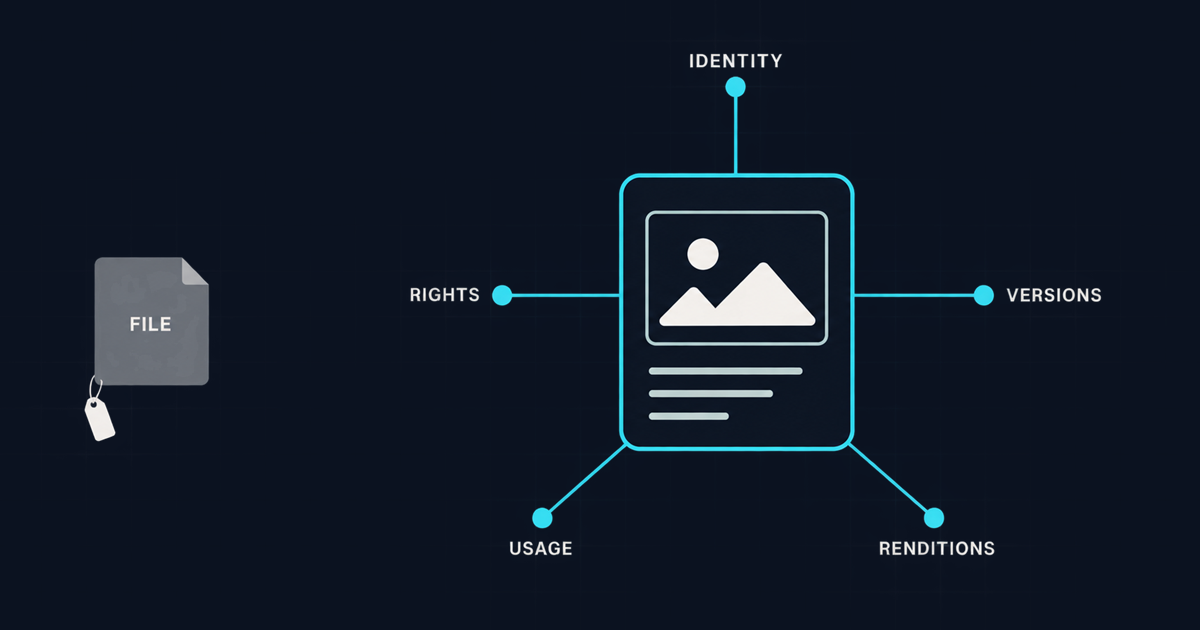
A file knows nothing about itself. An asset should know five things.
Identity, rights, versions, usage and renditions. Enterprise DAM is the discipline of keeping those attached to the asset rather than in somebody’s head, a folder path, or a contract nobody in the chain can see. This is a working reference for the people who have to select it, govern it and make it survive its own launch.
Start here
Five pieces that between them cover the decision, the design and the money.
What enterprise DAM actually is
The system of record for your visual material, the five things an asset has to carry, and the threshold at which you genuinely need one.
DAM, PIM, CMS and MDM
Which system is authoritative for which field, and the two boundaries that are genuinely contested rather than merely argued about.
The schema you actually need
Twelve fields at ninety-five percent completeness beat forty at twenty. How to size a schema to what people will populate.
What it costs, line by line
Six cost lines, three commercial models, and the four things vendors do not quote because they are your costs rather than theirs.
Platforms compared
Four archetypes rather than a feature grid, because once a shortlist is any good every row is a tick and nothing separates them.
Why rollouts fail
The platform works, the migration completed, and six months later people are emailing files again. The mechanism, and the fix.
The recurring argument
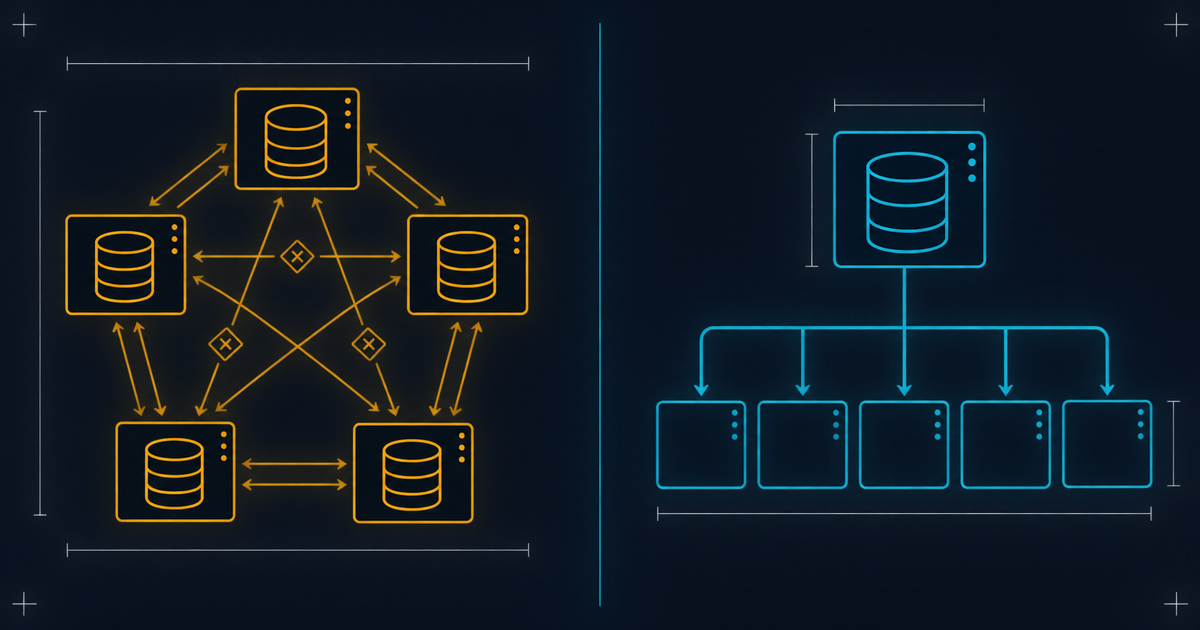
Single source of truth is an architecture, not a slogan
Every proposal promises one. Most deployments end up with six sources and a nightly sync job. The test is concrete: change the master and count how many systems need to be told. If the answer is anything but zero, you have copies, and copies diverge.
Five areas
Fundamentals
What the category is for, where the shared drive stops working, and who owns which record.
Governance and compliance
Schemas, taxonomy, rights and expiry, access control and the evidence an audit asks for.
Architecture and integration
API-first platforms, integration patterns, derivation over replication, and delivery.
Operations and adoption
Migration without losing provenance, the asset lifecycle, and the operating model.
Evaluation and ROI
Cost stacks, requirements that discriminate, platform archetypes, and the honest alternatives to buying a DAM at all.
Authors and beats
Six standing beats. Every article carries a named byline with a stated area.
Latest
-
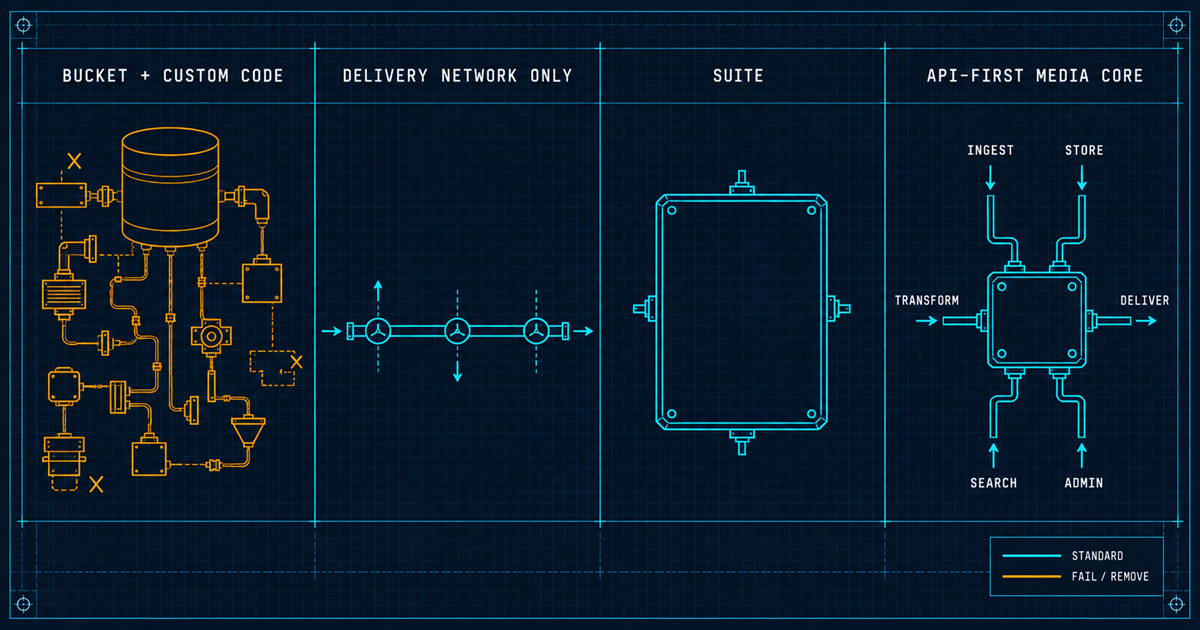
Alternatives to a traditional enterprise DAM
-
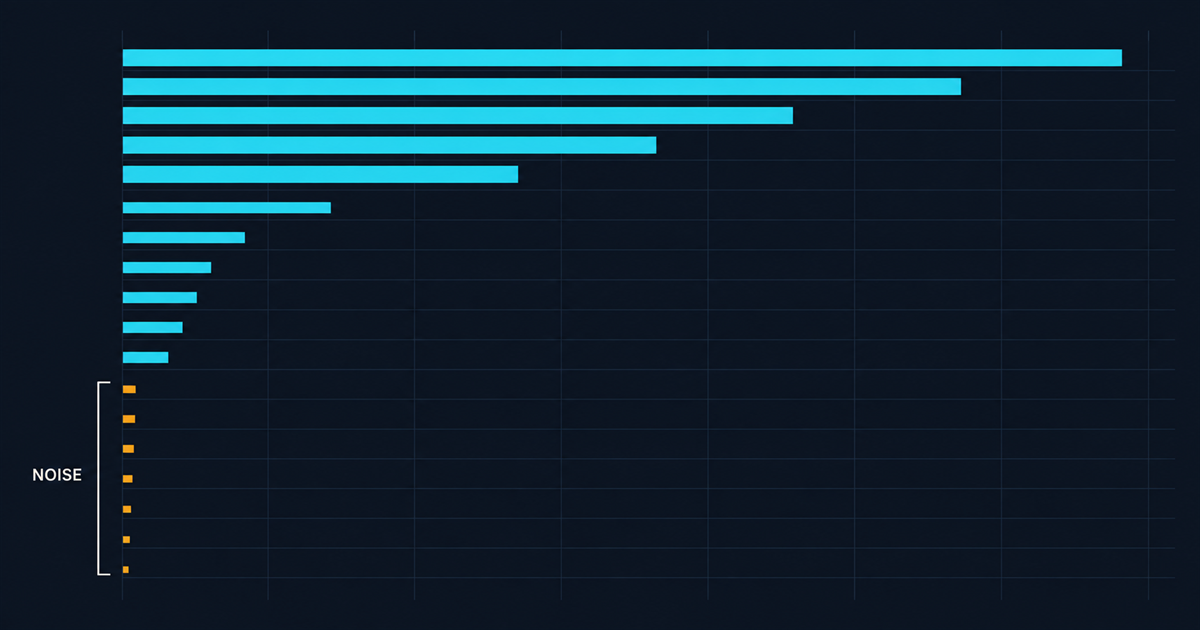
The enterprise DAM requirements checklist, without the vendor bingo
-
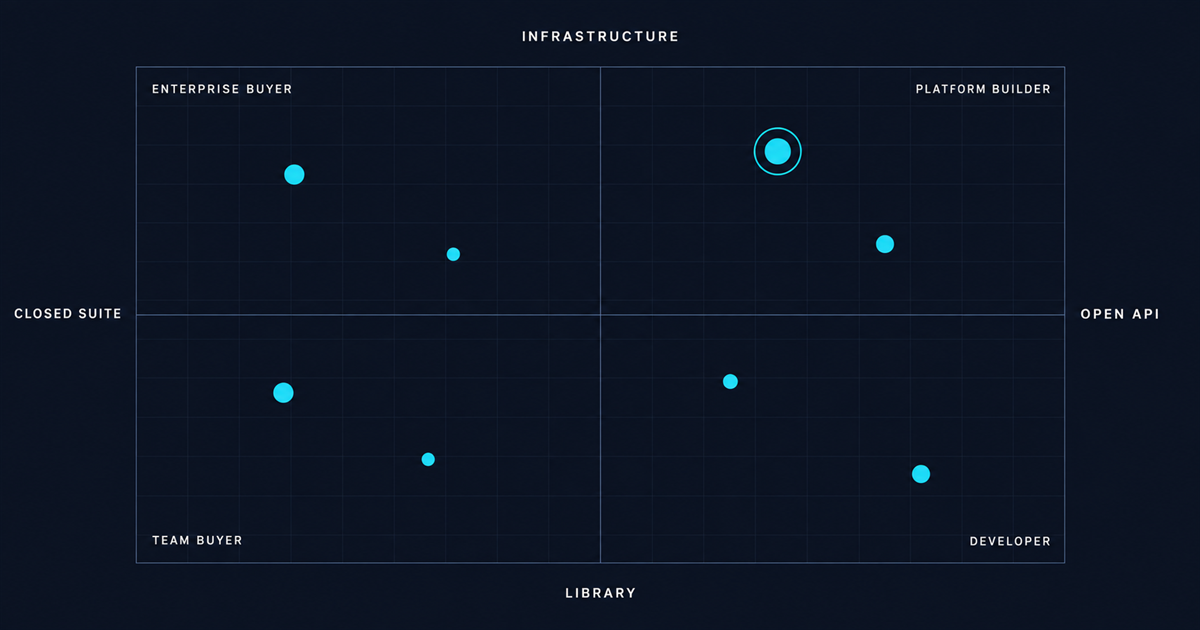
Enterprise DAM platforms compared by who they are actually for
-
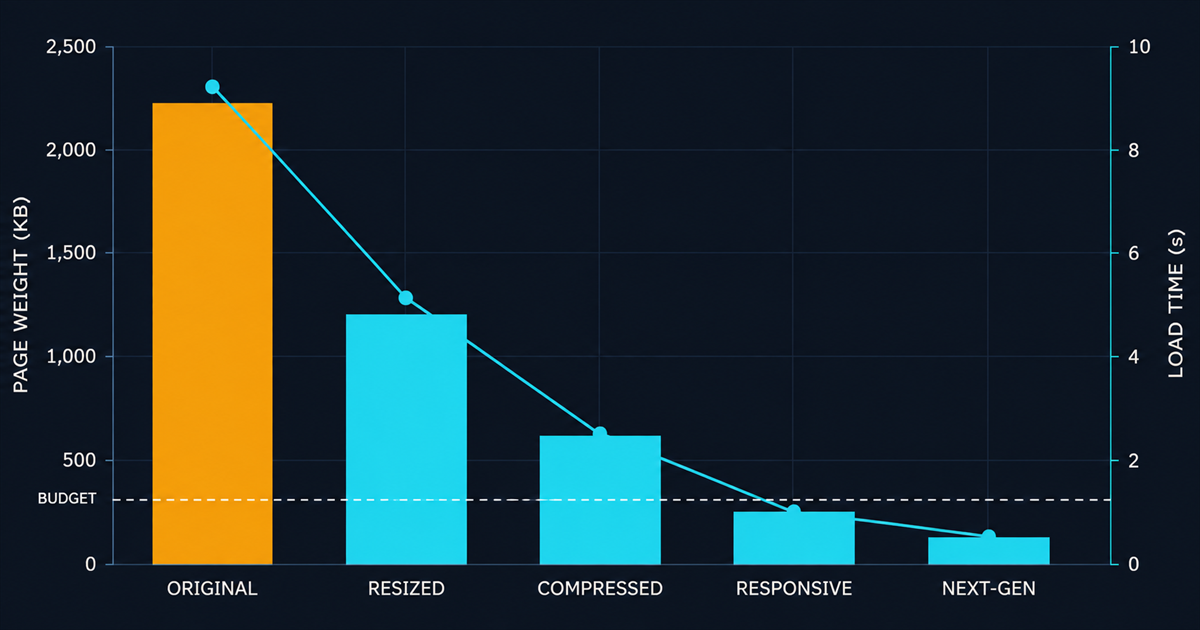
Delivery is part of your DAM, not something that happens after it
-

Access control, SSO and audit trails in an enterprise DAM
-
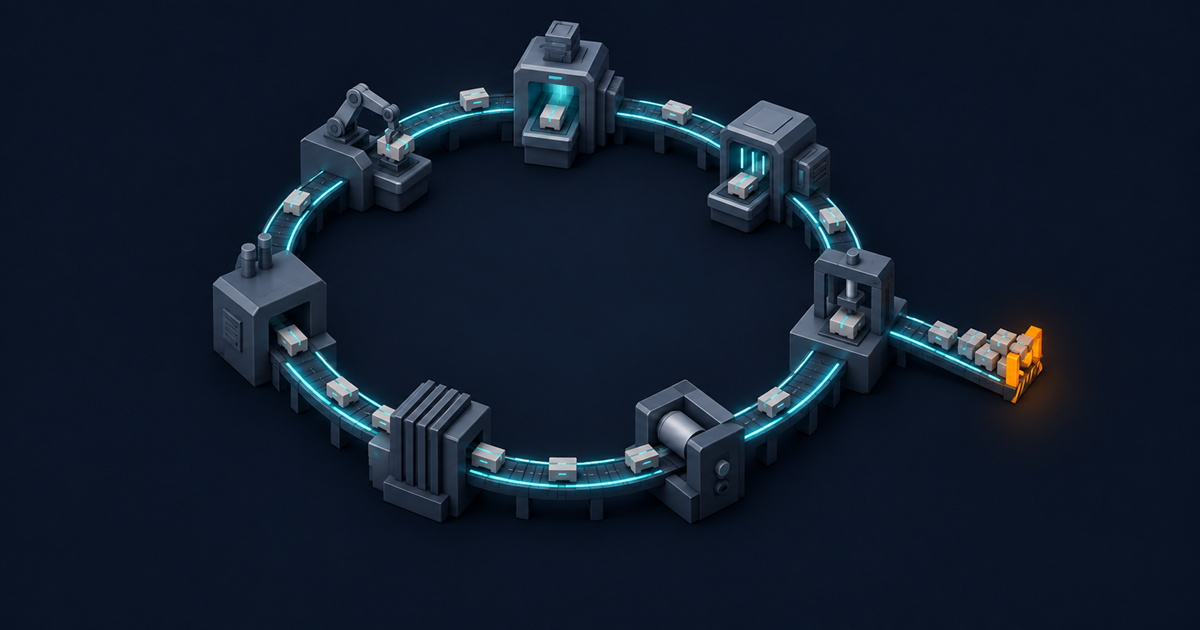
The asset lifecycle, from brief to archive
How this is written
Every external link is fetched before it is cited. No statistic appears that we cannot source, and vendor-supplied industry benchmarks are not treated as evidence. Every recommendation names the conditions under which it is wrong, in the same article. The full method is in editorial standards, and corrections go to the editors.